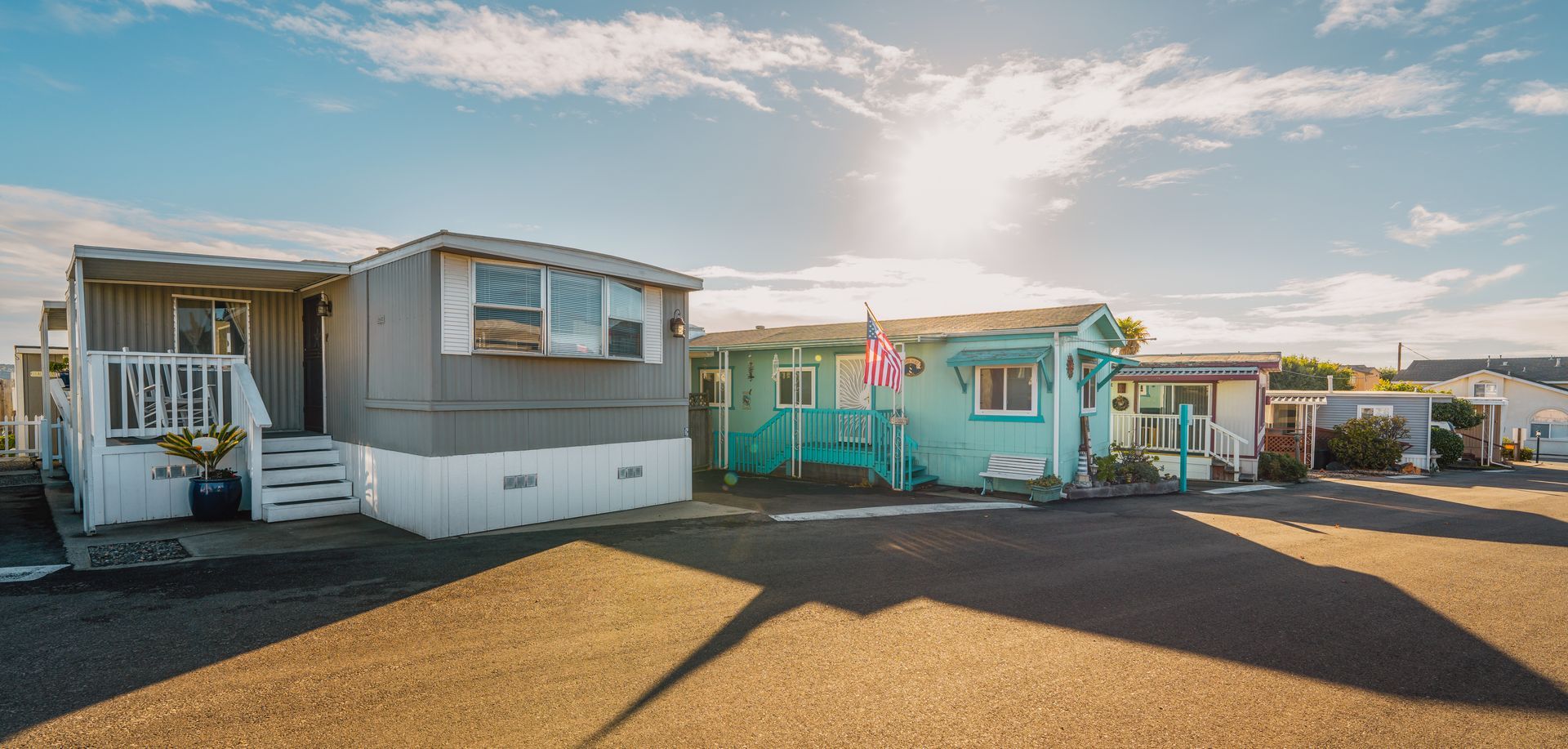
How to Find the Ideal Material for Your Mobile Home Skirting
Choosing the right material for your mobile home skirting can make a real difference in your comfort, energy bills, and curb appeal. This guide covers the most common materials available, how the local climate in Medina County affects your decision, and practical tips to help you measure and buy with confidence.
Why Mobile Home Skirting Matters More Than You Think
Good skirting protects the underside of your home every single day. It blocks pests, reduces moisture buildup, and helps regulate temperature beneath your floors. Without it, wind can drive rain and debris directly under your home, damaging pipes, insulation, and structural components. A well-chosen skirt also gives your manufactured home a finished look that can increase its overall value.
What Are the Main Skirting Material Options?
Most homeowners choose from three materials: vinyl, metal (aluminum), and insulated skirting panels.
Vinyl Skirting
Vinyl is the most widely used option. It is lightweight, easy to cut, and available in a wide range of colors and panel styles. Vinyl resists rust and requires no painting, making it a low-maintenance choice for most budgets. Panels typically interlock, making DIY installation manageable for a handy homeowner. Keep in mind that standard vinyl can warp or become brittle in extreme heat, which is worth considering in the Devine, TX, area where summer temperatures push well into the upper 90s.
Metal (Aluminum) Skirting
Metal skirting stands up to high winds and physical impact better than basic vinyl. Aluminum panels resist corrosion and hold their shape through years of South Texas heat and cold fronts. If your property sits on an open lot exposed to strong seasonal winds common in Medina County, metal skirting may offer a more resilient long-term solution. The tradeoff is that metal can dent and conducts temperature more readily than other materials. Some homeowners add insulation board behind metal panels to address this.
Insulated Skirting Panels
Insulated panels combine a rigid outer shell with a foam core that slows heat transfer. In a climate like Devine, TX, this can keep your floors cooler in summer and warmer during winter cold snaps, and helps protect plumbing during the occasional hard freeze that hits Medina County. Insulated panels are thicker and heavier than standard vinyl, making installation more involved, but the energy-saving benefit may offset that effort over time.
How Does the Devine, TX, Climate Affect Your Choice?
Devine sits in a hot-humid South Texas climate zone where planning for heat is the top priority. The right mobile home skirting for this area should handle prolonged high temperatures, strong thunderstorm winds, and the possibility of a winter freeze. Homeowners on rural lots along US-81 or county roads in Medina County should also factor in wind exposure when selecting panel thickness and fastener type.
Vented panels are important regardless of which material you choose. Proper ventilation reduces moisture and heat buildup in the crawl space. A general rule of thumb is one square foot of ventilation per 150 square feet of crawl space. Most skirting kits include pre-vented panels, but you can also add vent inserts to existing panels.
Simple Steps to Measure for Skirting
- Measure the total perimeter of your home in linear feet by adding up all four sides.
- Measure the height from the ground to the bottom of the home frame at multiple points, since the ground is rarely perfectly level.
- Use your tallest height measurement to ensure panels cover the full opening at every point.
- Add 10 percent to your total panel count to account for cuts and waste.
- Note whether you need an access door and confirm its location before ordering.
Quick Tips for Buying the Right Skirting
Choose a panel color that complements your home's siding. Confirm panels are rated for outdoor UV exposure so they do not fade quickly in the Texas sun. Look for kits that include tracks, trim, and fasteners so you do not have to source pieces separately. For properties with uneven ground, look for adjustable bottom track systems. Buying from a supplier that carries mobile home skirting specifically designed for manufactured homes also matters, since standard building materials are not always compatible with manufactured home dimensions and framing.
Frequently Asked Questions
How Much Skirting Do I Need?
Multiply your home's perimeter by the number of panel rows needed for the height, then divide by panel width for your total count.
Can I Install Skirting Myself?
Many vinyl and insulated systems suit DIY installation with basic tools. Metal skirting needs more precise cutting and experience.
Does Skirting Affect My Energy Bills?
Yes. Insulated skirting reduces heat gain in summer and heat loss in winter, which may lower HVAC costs.
How Do I Maintain My Skirting?
Rinse panels periodically to remove dirt. Check for dents or cracks after storms, and replace damaged panels promptly.
What Is the Best Skirting for Windy Areas?
Metal or heavy-gauge vinyl panels with secure top and bottom tracks perform best in high winds.
Find the Right Skirting With Local Expert Help
Getting the material right for your budget, lot, and the South Texas climate will serve you well for years to come. Mair's Manufactured Home Supply, serving Devine, TX, and the surrounding area, carries skirting options suited to Medina County weather. Stop in, call (210) 633-2281, or visit Mair's Manufactured Home Supply online. You can also contact us to get answers before you buy.